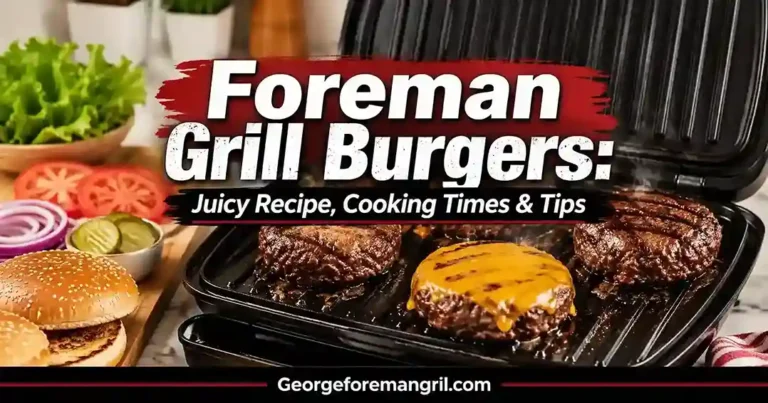
Cheeseburger sliders are quick to make, but they can also be easy to get wrong. Thin patties can dry out, thick ones may stay undercooked in the middle, and many recipes are written for an oven instead of a George Foreman Grill. If you’ve ever wondered how long to cook sliders, how much beef to use, or how to keep them juicy, you’re in the right place.
This guide shows you exactly how to make cheeseburger sliders on a George Foreman Grill using simple ingredients and easy steps. You’ll learn the best patty size, cooking time, safe internal temperature, topping ideas, and practical tips that help you get flavorful mini burgers every time.
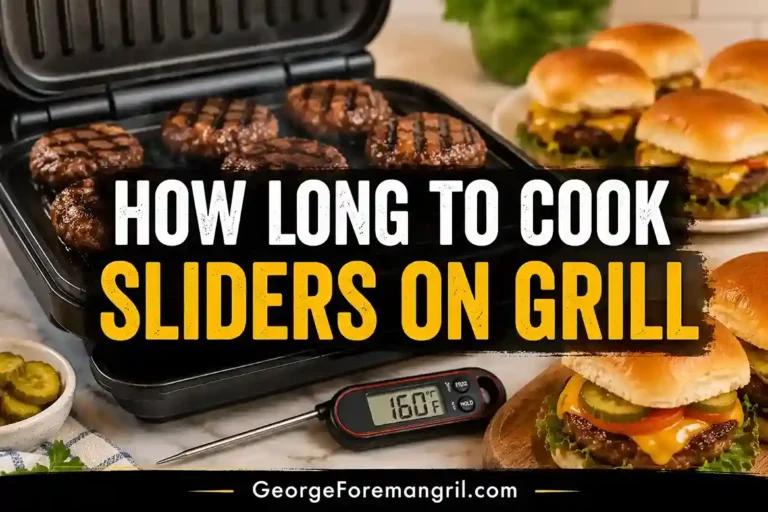
Fresh ½-inch cheeseburger slider patties usually cook in 3 to 5 minutes on a fully preheated George Foreman Grill. Cook ground beef until it reaches an internal temperature of 160°F (71°C), then let the patties rest for about 2 minutes before placing them on the buns. Cooking time can vary depending on patty thickness, grill model, and the starting temperature of the meat.
Why You’ll Love These Cheeseburger Sliders
These mini burgers are perfect when you want a homemade meal without spending a lot of time in the kitchen. They’re quick, flavorful, and easy enough for beginners.
What Are Cheeseburger Sliders?
Cheeseburger sliders are small hamburgers served on mini buns. They usually include a small beef patty, melted cheese, and classic burger toppings like pickles, onions, ketchup, and mustard. Today, the word “slider” can describe different recipes, which often confuses home cooks.
Individual Patties vs. Pull-Apart Sliders
This recipe uses individual hamburger sliders, which are the best choice for a George Foreman Grill. Each burger cooks evenly, develops nice grill marks, and is easy to customize with your favorite toppings.
Ingredients for Cheeseburger Sliders
- 1 pound ground beef, 80/20 recommended
- 8 slider buns or Hawaiian rolls
- 8 slices American cheese or cheddar cheese
- 1 teaspoon salt
- ½ teaspoon black pepper
- ½ teaspoon garlic powder, optional
- ½ teaspoon onion powder, optional
- Dill pickle slices
- Thin onion slices
- Lettuce
- Tomato
- Ketchup
- Mustard
- Mayonnaise
- Burger sauce
- Bacon
- Jalapeños
Best Ground Beef for Sliders
The fat content of your ground beef has a big impact on how juicy your sliders turn out. Here’s a simple comparison to help you choose the right option.
- Juicy burgers
- Classic cheeseburger flavor
- Rich texture
- Everyday family meals
- Less grease
- Lighter burgers
- Lower-fat meals
| Ground Beef | Juiciness | Grease | Recommended |
|---|---|---|---|
| 80/20 | Excellent | High | ★★★★★ |
| 85/15 | Very Good | Medium | ★★★★☆ |
| 90/10 | Good | Low | ★★★☆☆ |
Best Rolls for Sliders
The ideal slider bun should be soft enough for an easy bite but sturdy enough to hold a juicy burger without falling apart.
Best Cheese for Cheeseburger Sliders
Almost any melting cheese works well. Here are some popular choices.
| Cheese | Flavor | Melting |
|---|---|---|
| American | Classic | Excellent |
| Cheddar | Rich | Very Good |
| Pepper Jack | Mild spicy | Very Good |
| Swiss | Mild | Good |
| Colby Jack | Creamy | Excellent |
| Provolone | Smooth | Good |
American cheese melts the fastest and gives sliders the classic diner-style look.
Seasonings, Sauces, and Toppings
Simple seasonings usually work best because cheeseburger sliders are small. A few flavorful ingredients are all you need for a classic homemade burger.
- Salt
- Black pepper
- Garlic powder
- Onion powder
- Ketchup
- Mustard
- Mayonnaise
- Burger sauce
- BBQ sauce
- Chipotle mayo
- Pickles
- Lettuce
- Tomato
- Red onion
- Grilled onions
- Bacon
- Jalapeños
- Sautéed mushrooms
Equipment You Need
You don’t need special equipment to make cheeseburger sliders. A few basic kitchen tools will help you cook evenly and safely.
- George Foreman Grill
- Drip tray
- Mixing bowl
- Spatula
- Instant-read thermometer
- Knife
- Cutting board
- Kitchen scale for evenly sized patties
- Measuring spoons
- Small pastry brush for buttering buns
How Much Meat Should You Use for Each Slider?
One of the biggest questions people ask is how large slider patties should be. For most homemade cheeseburger sliders, about 2 ounces of ground beef per patty gives the best balance of size, juiciness, and bun fit.
How Many Sliders Does One Pound of Beef Make?
Here’s a quick planning guide.
| Ground Beef | Approximate Sliders | Best For |
|---|---|---|
| ½ pound | 4 | Lunch for two |
| 1 pound | 8 | Family dinner |
| 1½ pounds | 12 | Small gathering |
| 2 pounds | 16 | Party or game day |
If you’re serving fries, chips, or salad, most adults eat 2 to 3 sliders.
How to Make Cheeseburger Sliders on a George Foreman Grill
Making hamburger sliders on a George Foreman Grill is simple because the grill cooks both sides of the burgers at the same time.
Follow these simple steps for juicy cheeseburger sliders on your George Foreman Grill.

How Long to Cook Cheeseburger Sliders
Cooking time depends on more than the clock. Patty thickness, grill model, the starting temperature of the meat, and how many patties are on the grill all affect the final cooking time. Use the times below as a guide, then confirm doneness with an instant-read thermometer.
George Foreman Grill Cooking Time Chart
Cook: 3–5 minutes
Safe temperature: 160°F
Cook: 4–6 minutes
Safe temperature: 165°F
Cook: 4–6 minutes
Safe temperature: 165°F
Check package directions.
Confirm temperature before serving.
Safe reheating temperature: 165°F
Cooking times are only estimates. Several factors can change how quickly cheeseburger sliders cook on a George Foreman Grill.
Tips for Making Juicy Hamburger Sliders
Small burgers cook quickly, so a few simple habits can make a big difference in flavor, texture, and juiciness.
Slider Toppings and Variations
One reason cheeseburger sliders are so popular is how easy they are to customize.
One of the best things about cheeseburger sliders is how easy they are to customize. Try one of these tasty combinations or mix and match your favorite toppings.
- American cheese
- Pickles
- Ketchup
- Mustard
- Diced onions
A timeless combination that works for almost everyone.
- Crispy bacon
- Cheddar cheese
- BBQ sauce
A smoky, hearty option that’s perfect for weekends or game day.
- BBQ sauce instead of ketchup
- Cheddar cheese
- Crispy onions
- Pickles
Sweet and smoky flavors make this version a crowd favorite.
- Pepper Jack cheese
- Fresh jalapeños
- Chipotle mayo
Adds extra heat while keeping the burgers balanced and flavorful.
- Sautéed mushrooms
- Swiss cheese
A rich and savory option with a classic steakhouse flavor.
- Ground turkey or chicken
- Cook to 165°F (74°C)
A lighter alternative. Avoid overcooking because poultry can dry out more quickly than beef.
Common Mistakes to Avoid
Avoid these common mistakes to cook juicy, evenly grilled cheeseburger sliders every time.
| Mistake | What Happens | How to Fix It |
|---|---|---|
| Skipping preheating | Burgers stick to the grill. | Always preheat the grill completely. |
| Making thick patties | Uneven cooking. | Keep patties about ½ inch thick. |
| Packing meat tightly | Dense, firm burgers. | Shape the patties gently. |
| Pressing the lid | Dry burgers. | Let the top plate rest naturally. |
| Overcrowding the grill | Uneven cooking. | Leave small spaces between patties. |
| Using cooking time only | Undercooked or overcooked burgers. | Use an instant-read thermometer. |
| Relying on meat color | Inaccurate doneness. | Cook ground beef to 160°F (71°C). |
| Adding cheese too early | Cheese sticks to the grill. | Add cheese after the burgers are cooked. |
| Toasting buns too long | Burned buns. | Toast briefly and watch closely. |
| Forgetting the drip tray | Grease spills. | Install the drip tray before preheating. |
What to Serve with Cheeseburger Sliders
Cheeseburger sliders pair well with many simple side dishes. Mix and match your favorites to create an easy family meal or a party-friendly spread.
- French fries
- Sweet potato fries
- Potato wedges
- Onion rings
- Coleslaw
- Potato salad
- Pasta salad
- Green salad
- Fresh fruit
- Corn on the cob
- Grilled vegetables
- Kettle chips
- Pickles
Can You Make Cheeseburger Sliders Ahead?
Yes, you can prepare several parts of this recipe ahead of time. A little prep makes cooking much easier on busy weeknights or when serving a crowd.
- Shape the slider patties.
- Slice the cheese.
- Wash and slice the vegetables.
- Mix the burger sauce.
- Prepare serving trays.
Keep the raw beef refrigerated until you’re ready to cook.
It’s best to wait. Fully assembled sliders can become soggy if they sit for too long. Cook the burgers first, then assemble them shortly before serving for the best texture.
- Shape patties the night before.
- Prepare toppings in advance.
- Cook burgers in batches.
- Assemble just before guests arrive.
This keeps the buns fresh and the burgers juicy while giving guests the best flavor.
Storing, Freezing, and Reheating Sliders
Proper storage helps reduce food waste and keeps leftover cheeseburger sliders tasting fresh. Follow these simple tips for the best results.
- Let burgers cool slightly.
- Store cooked patties separately from fresh toppings.
- Use an airtight container.
- Enjoy within 3 to 4 days.
- Cool the patties completely.
- Wrap each patty individually or separate with parchment paper.
- Store in a freezer-safe container or freezer bag.
- Add fresh lettuce and tomato after reheating for the best texture.
Food Safety Tips
Follow these simple food safety practices to keep your cheeseburger sliders safe to eat and your leftovers fresh.
Frequently Asked Questions
Conclusion
Making cheeseburger sliders on a George Foreman Grill is a fast and simple way to enjoy juicy mini burgers at home. By using evenly shaped patties, preheating the grill, cooking to the correct internal temperature, and adding cheese at the right time, you can get consistent results every time. Whether you’re making dinner for your family or preparing food for game day, this cheeseburger sliders recipe gives you an easy method that is reliable, flavorful, and beginner-friendly.